Whispered Luxury in Neutrals: Palettes That Breathe Quiet Opulence
The Psychology of Quiet, Expensive-Looking Neutrals
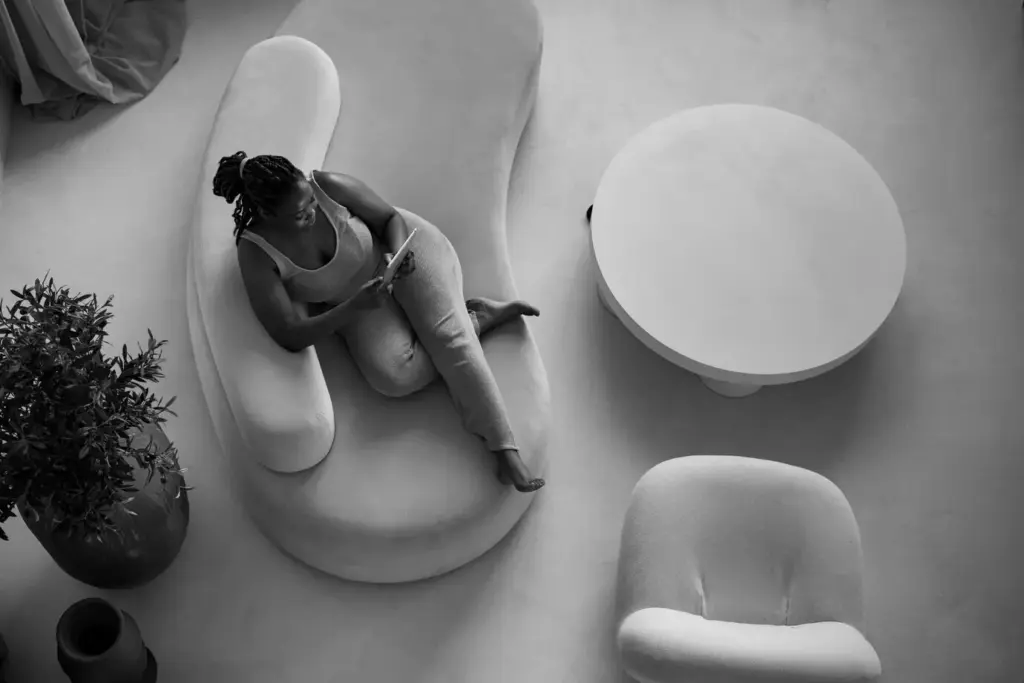
Calm, Control, and Confidence
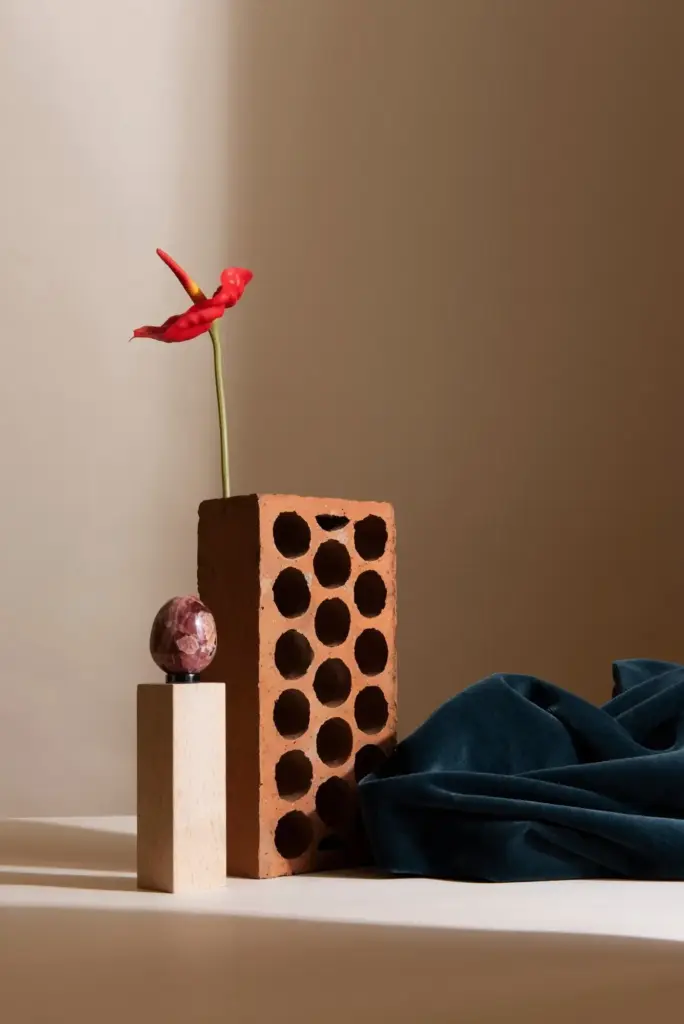
Perception of Quality and Craft
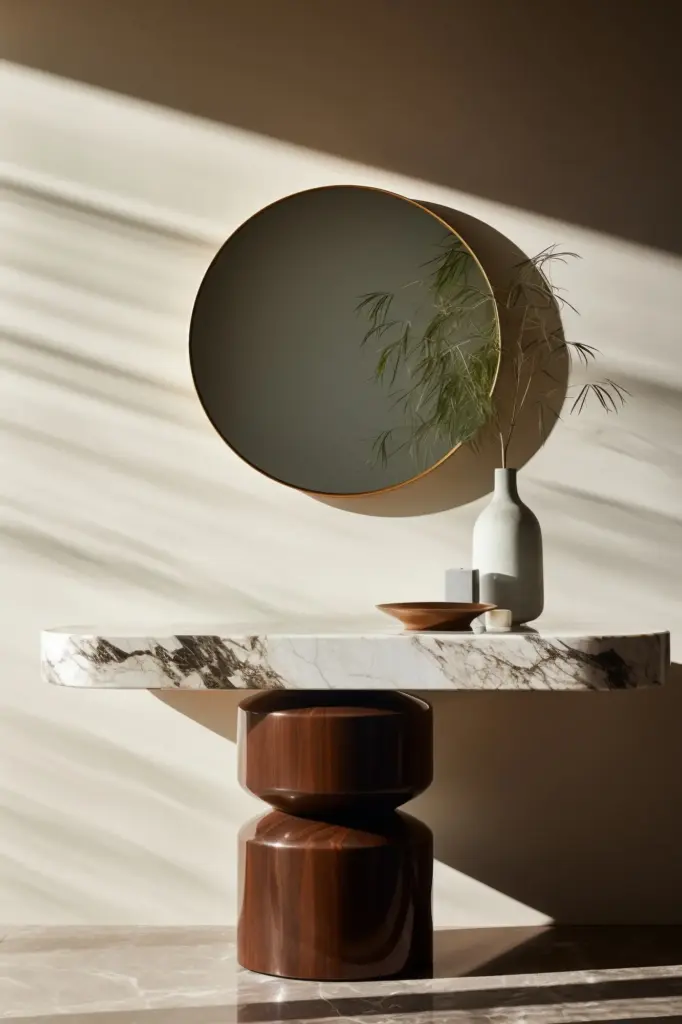
Undertones, Contrast, and Light: Engineering a Cohesive Neutral Scheme
Mastering Undertones for Harmony
Beige often hides pink, green, or yellow undertones that change drastically under LEDs or northern light. Paint large samples, place them vertically near floors and ceilings, and compare against pure white printer paper to reveal hidden hues. Choose consistent undertones across large surfaces, then introduce one complementary undertone in accents. This controlled interplay keeps the scheme from flattening while preserving a serene, collected feeling that reads refined rather than busy.
Contrast that Whispers, Not Shouts
Luxurious neutrals rarely jump from bright white to charcoal. Instead, they step gracefully through midtones, using five to seven values that transition like a gentle gradient. Try creamy walls, slightly darker trim, and textiles one or two steps deeper. This soft edge gives furniture beautiful silhouettes without aggressive boundaries. Shapes are legible, shadows feel intentional, and the eye glides rather than jolts, creating an impression of tailored quietude throughout the space.
LRV, Sheen, and Light Temperature
Light Reflectance Value helps tune glow: walls around LRV 60–75 reflect brightness without glare, while trims near 40–55 add depth. Pair matte or eggshell on large planes with satin on trim to articulate details. Test bulbs around 2700–3000K for warmth that flatters skin, fabrics, and stone. Shifts in sheen and temperature can make identical colors feel bespoke, reinforcing a gentle radiance that reads gracious and genuinely considered.
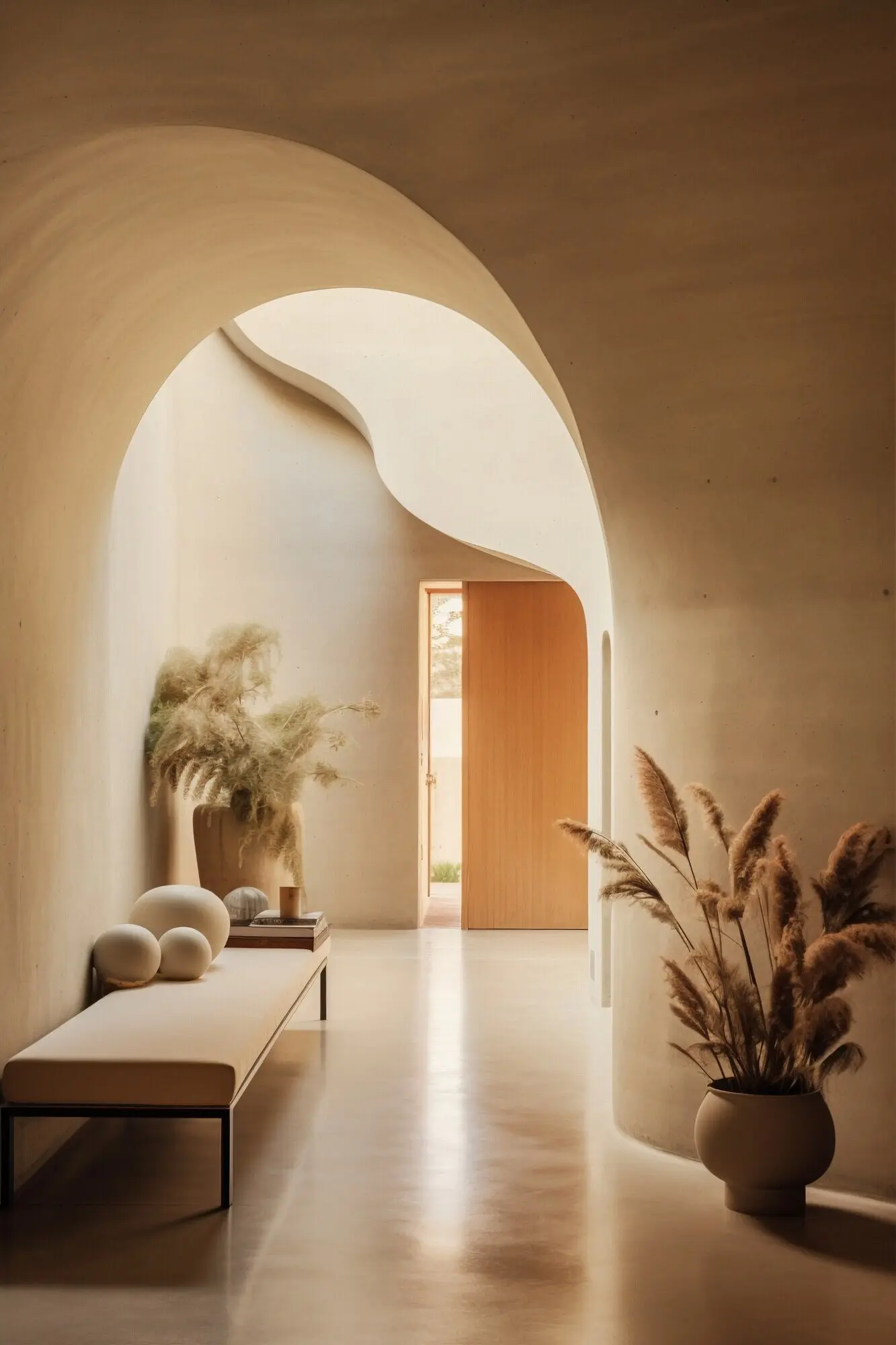
Stone Stories: Travertine, Limestone, and Soapstone

Woods with Restraint and Soul

Metals that Glow Softly
Layering, Texture, and Negative Space
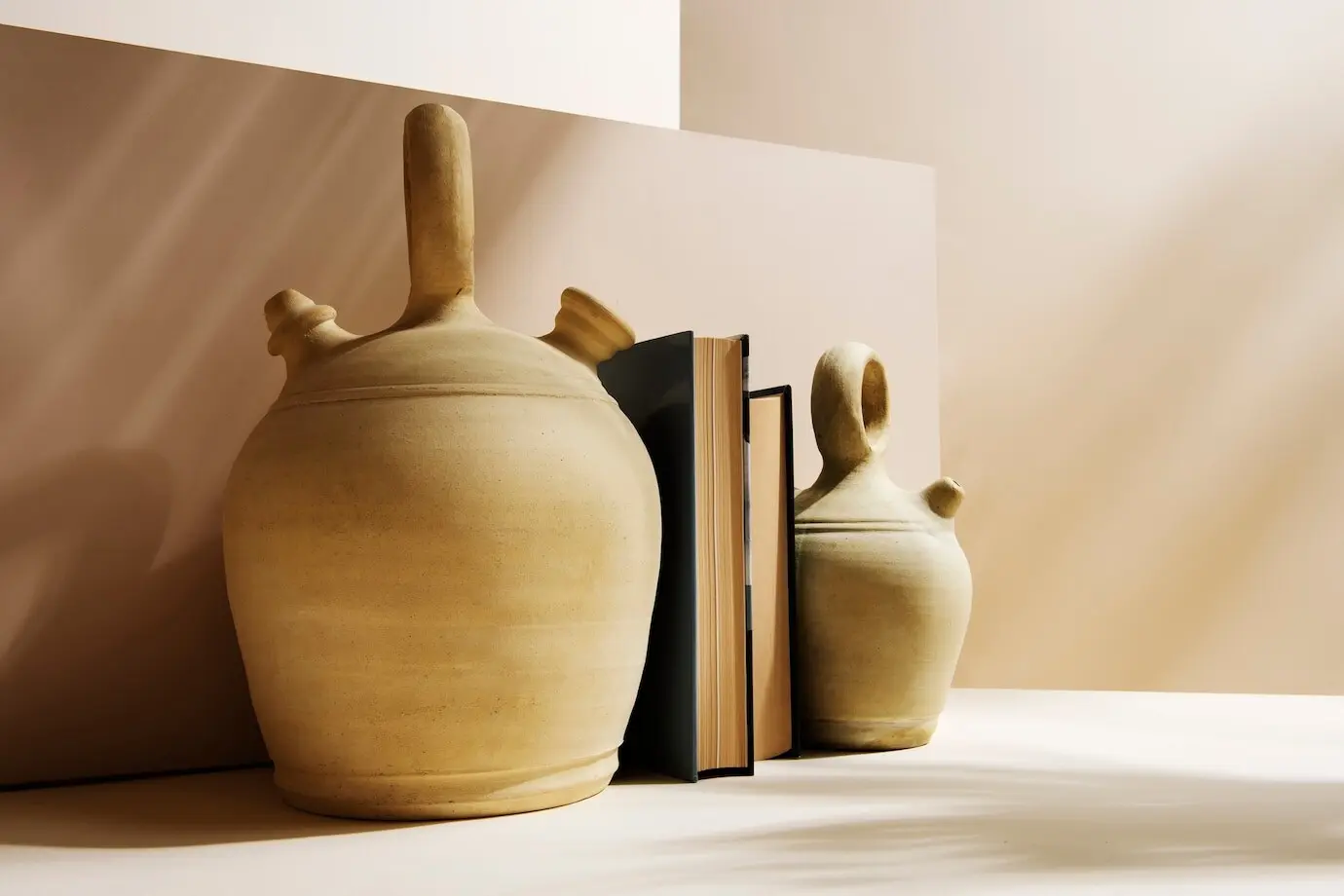
A City Apartment Finds Its Breath
Cottage Character, Gallery Calm
Your Practical Toolkit: Plans, Purchases, and Care
A Seven-Day Palette Sprint
Shopping with Discipline
Care, Longevity, and Patina
All Rights Reserved.