Quiet Grace in Tactile Craft

Today we explore Natural Materials and Textures that Convey Discreet Elegance, honoring the calm presence of oak and ash, linen and wool, travertine and clay. Together we translate tactile character into confident decisions, pairing sensory delight with practical know-how, maintenance that respects patina, and stories from workshops where hand tools still sing. Expect ideas you can apply immediately, so every surface feels honest, every detail purposeful, and every room balanced, poised, and gently luxurious without noise.

The Language of Touch

Texture quietly communicates what words cannot. Grain lines guide the eye, woven fibers soften sound, and honed stone gathers light into a gentle glow. When we tune our senses to these subtleties, design becomes calmer and more generous. Materials stop competing and start conversing, letting proportion, light, and temperature collaborate to create spaces that invite slow breathing, lingering conversations, and everyday rituals that feel truly restorative.

Reading Surfaces with Your Fingertips

Close your eyes and glide a hand along oak with open grain, then across walnut’s silken density. Notice the linen slub that catches a ring, the chalky pull of limewash, the cool steadiness of soapstone. These minute sensations shape trust, influence how we care for a piece, and even alter our posture in a room. Tactility becomes guidance, revealing durability, comfort, and the quiet confidence of authentic materiality.

Light as the Silent Collaborator

Grazing daylight turns plaster into a living landscape, while evening lamps coax warmth from wool and burnished brass. Matte finishes swallow harsh reflections, giving your eyes a place to rest. Positioning furniture to welcome shadow is as important as chasing brightness, because contrast reveals depth. When surfaces are thoughtfully oriented to light, even modest rooms feel composed, layered, and serenely alive throughout the day and across seasons.

Wood, Stone, and Earth

Woods That Age Beautifully

Oak, ash, and walnut reward touch with durability and depth. Hardwax oils and traditional soap finishes emphasize grain while allowing easy spot repair, unlike thick varnishes that trap scratches beneath a brittle gloss. Expect dents, celebrate them, and guide patina with seasonal oiling. Choose quarter-sawn boards for stability, avoid over-stained tones, and let sunlight gently mellow hues. Honest timber grows more articulate each year, telling your story gracefully.

Stones That Whisper, Not Shout

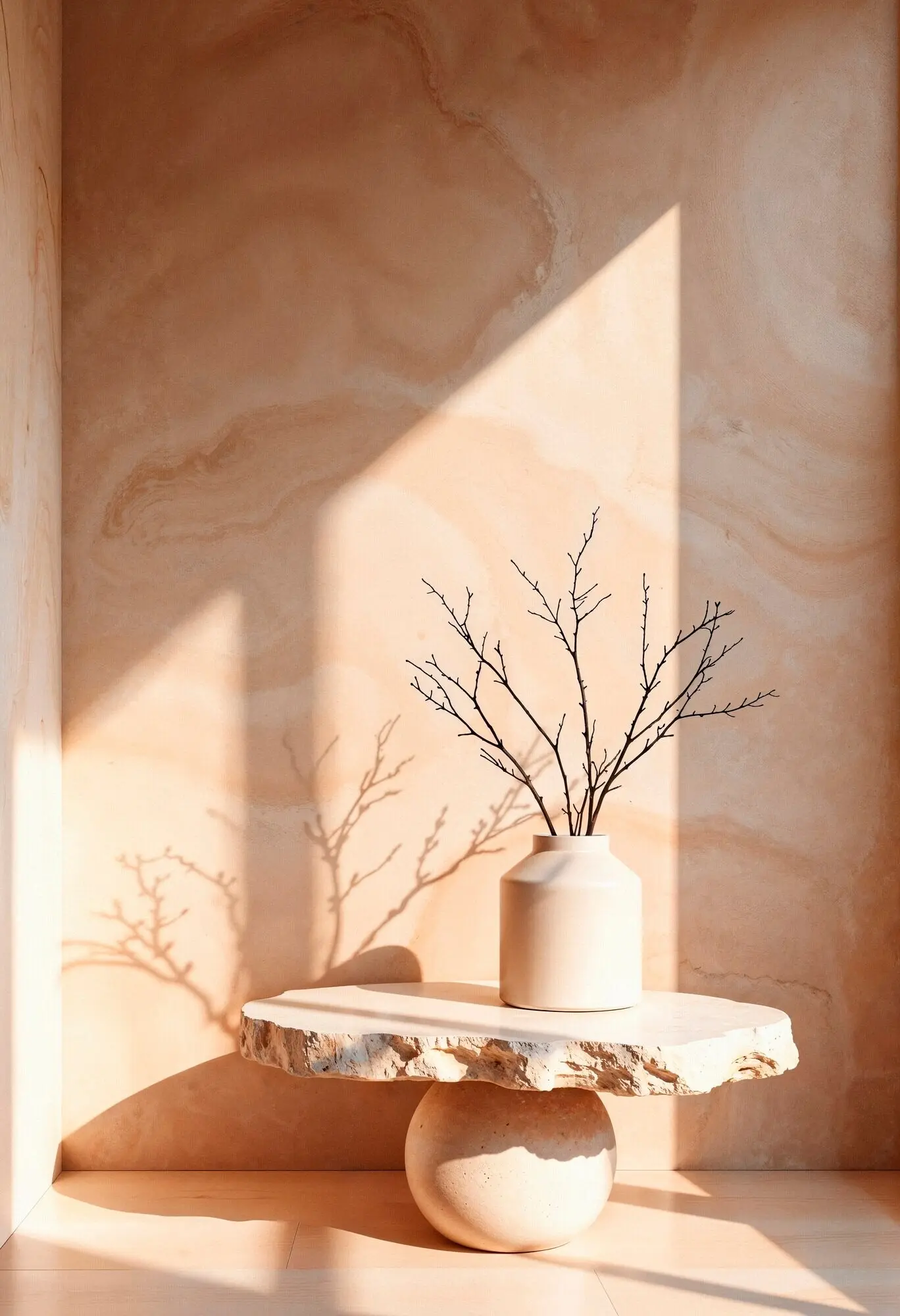
Limestone, travertine, and soapstone offer quiet chroma and soft reflection, especially when honed rather than polished. Expect etching in kitchens and embrace it as a working surface’s signature. Chamfered edges reduce chipping, while breathable penetrative sealers protect without plastic shine. Consider thermal comfort underfoot and acoustic softness overhead. When chosen well, stone becomes a steady backdrop, encouraging textiles, wood, and light to carry the room’s emotion with ease.

Clay, Lime, and Mineral Surfaces

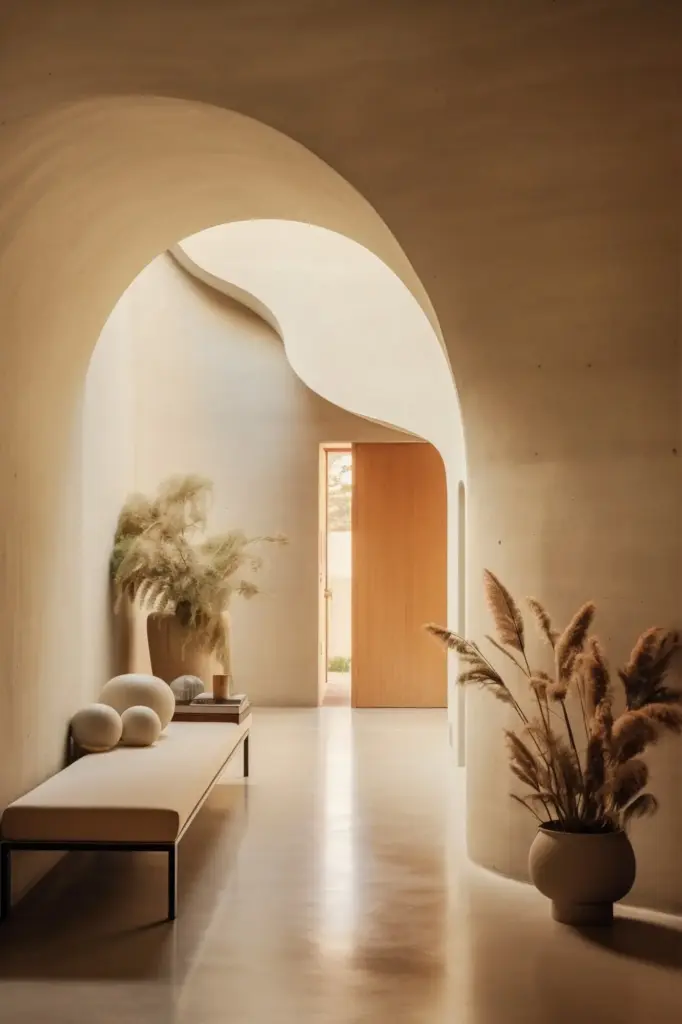
Limewash, clay plaster, and tadelakt regulate humidity, diffuse light, and gift walls a subtle movement impossible with synthetic paints. Their microtexture calms glare and rewards proximity, inviting palms to rest and shoulders to drop. Application is craft, not just product; small irregularities become character. Mineral finishes excel in bathrooms and kitchens when layered thoughtfully, offering durability without plasticity and a timeless presence that harmonizes modern needs with ancient wisdom.

Textiles with Quiet Character

Fabric mediates between body and architecture, softening acoustics and shaping comfort. Linen breathes and drapes with restful irregularity, wool insulates and sculpts, while plant fibers like sisal introduce grounding texture underfoot. Choose natural dyes, thoughtful weaves, and supportive linings. Layer sheers with heavier curtains, mix knit with flatweave, and keep patterns understated. When textiles serve both function and feeling, rooms gain warmth without sacrificing clarity.

Light, Color, and Finish

A restrained palette reveals nuance rather than monotony. Greige with mineral undertones, chalky off-whites, and softened browns support natural textures instead of eclipsing them. Finishes matter as much as color; matte and eggshell reduce glare while amplifying depth. Pair mineral paints, oil-rubbed metals, and smoked glass to achieve gentle contrast. Test samples at different times of day to ensure harmony across shadows, reflections, and daily rituals.

Craft, Provenance, and Story

Joinery as Quiet Ornament

Dovetails, wedged tenons, and drawbored pegs offer structure and subtle decoration in one stroke. Exposed joinery rewards proximity, avoiding decorative excess while celebrating intelligence in making. Hand-planed facets catch light differently than machine sanding, bringing life to edges. These decisions age gracefully, outlasting trends and encouraging repair over replacement. Invest where you touch daily, and let construction details become the most eloquent adornment of all.

Tiles, Bricks, and Handmade Variation

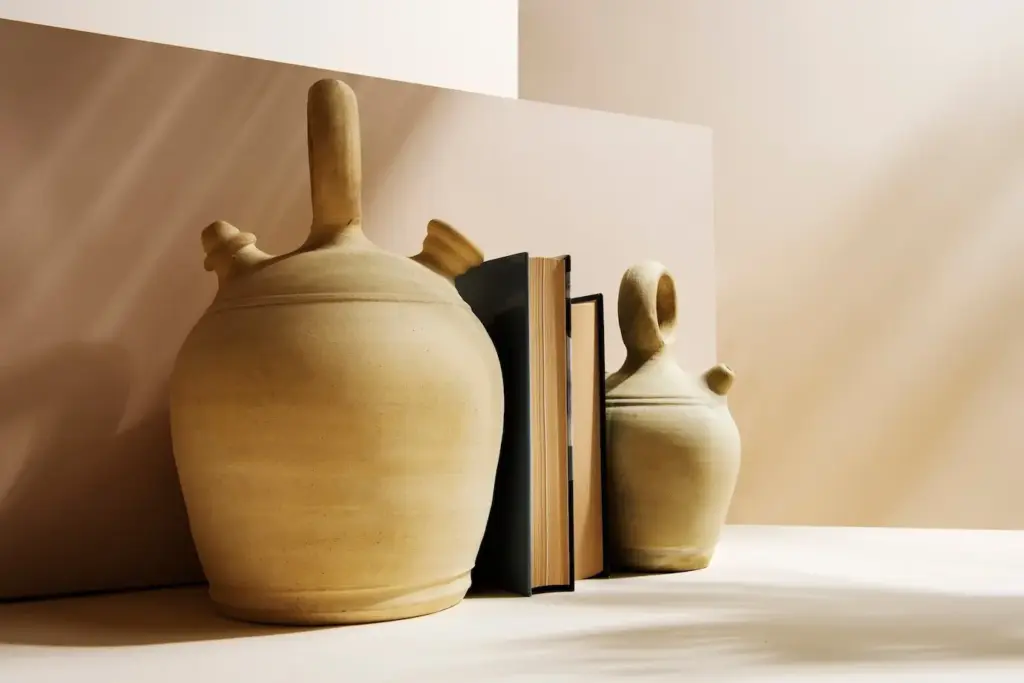
Zellige, terracotta, and hand-thrown brick carry small irregularities that turn walls into living tapestries. Accept lippage and shade variation as part of the beauty, and select grout thoughtfully to frame, not fight, the pattern. Seal porous pieces responsibly and celebrate softened corners. In wet rooms, combine craft with careful detailing. This gentle complexity rewards morning routines and quiet evenings alike, enriching daily life without visual strain.

Provenance as Design Ingredient

Knowing where materials come from shapes how we live with them. Ask about forest practices, quarry methods, and loom traditions. Favor small workshops when possible, and celebrate transparent supply chains. Pieces with traceable origins invite conversation, deepen attachment, and discourage disposability. When story guides selection, value endures beyond novelty, and every surface becomes a reminder that elegance is a relationship between place, maker, and mindful inhabitant.

Routines That Preserve Character

Adopt pH-neutral cleaners, soft brushes, and breathable cloths. Dust open-grain wood with the grain, oil surfaces when they look thirsty, and seal stone annually based on use. Use coasters without apology, yet forgive inevitable rings by learning simple spot repairs. Manage humidity with plants and ventilation, and protect textiles from harsh UV. These rituals build intimacy with materials, transforming upkeep into a calming, restorative practice.

Styling with Fewer, Better Pieces

Edit relentlessly. Let a single bowl in hammered brass center a walnut console, and surround it with generous negative space. Group books by tactile qualities, not color, to celebrate cloth bindings and paper grain. Rotate objects seasonally to renew attention. In small homes, this restraint expands perceived volume, reduces dusting, and highlights craftsmanship. Your eye relaxes, your shoulders drop, and the room begins to breathe alongside you.

Share, Ask, and Keep Learning

We would love to hear how you live with natural materials. Share a photo of your most comforting surface, ask questions about finishes, or request side-by-side comparisons you need. Subscribe for maker interviews, maintenance checklists, and case studies from real homes. Your insights shape future guides, and your stories help others choose confidently. Let us learn together and keep elegance grounded, useful, and deeply human.
Zotetafevakituki
Privacy Overview

This website uses cookies so that we can provide you with the best user experience possible. Cookie information is stored in your browser and performs functions such as recognising you when you return to our website and helping our team to understand which sections of the website you find most interesting and useful.